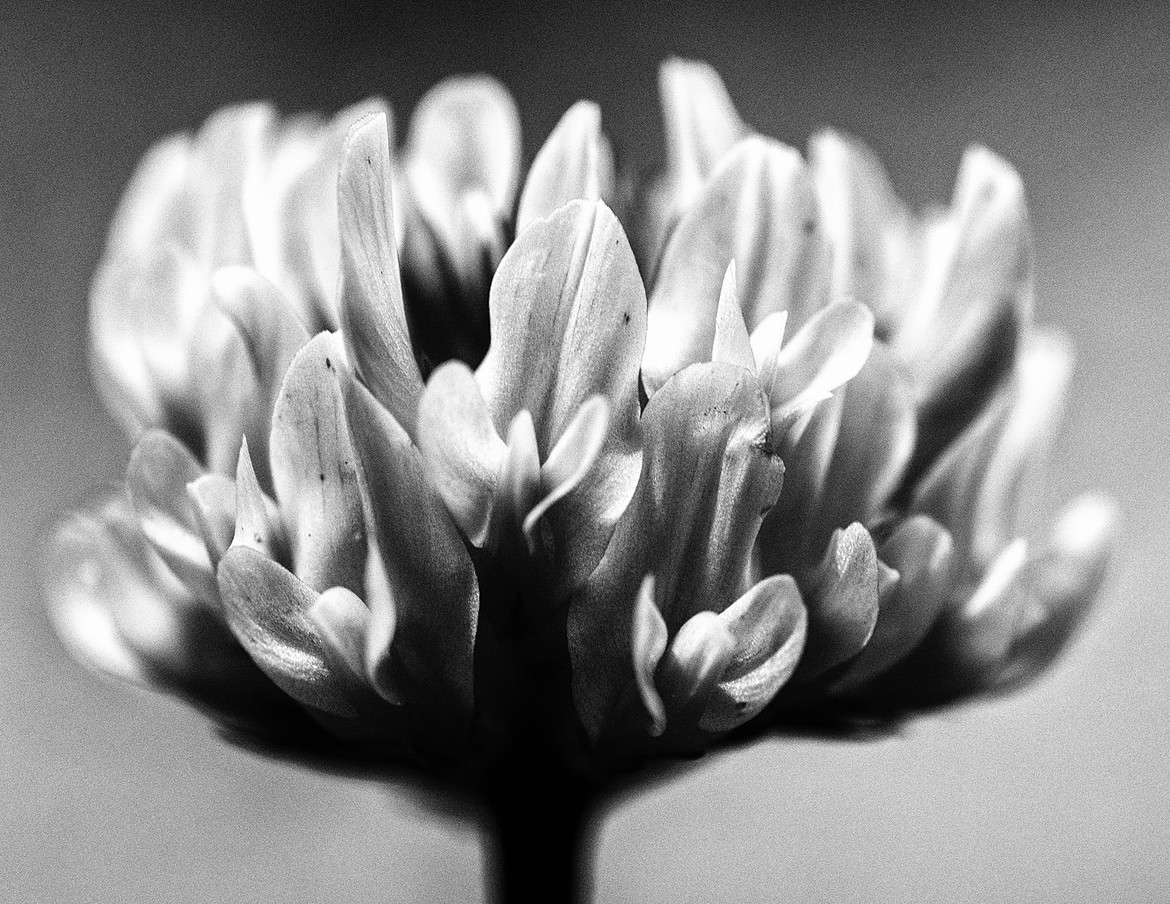
When I transitioned from colour photography to black-and-white, I felt a sense of loss for two of my favourite genres: autumn foliage and gardens.
Obsession
Every year, in early October, I would embark on a pilgrimage, camera gear in hand, to the regions north of Toronto, known worldwide for their stunning autumn colours. Some areas of Algonquin Park, filled with sugar maple trees, were beyond description. I also worked on several projects capturing the magic of special gardens where colour played a significant role.
Lost work
As I delved deeper into black-and-white photography, I left my colour work untouched in a folder for many years. I attempted to promote my colour and monochrome images, but it didn’t resonate. About a year ago, I rediscovered that folder filled with flowers and leaves and decided to try something I believed would not work. I removed all the colours and treated those images like my other black-and-white works. The results exceeded my expectations.
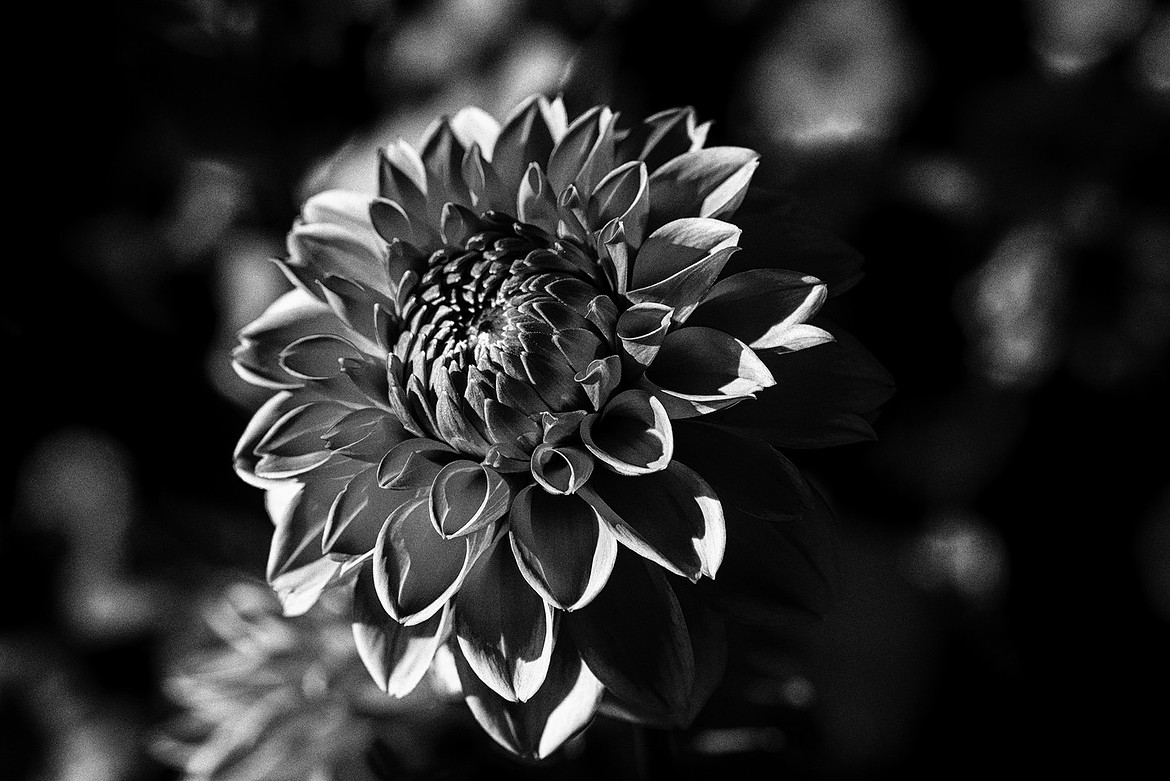
Dahlia
Super Powers
Once a flower's colour is stripped away, its shape emerges more vividly. When we look at a rose, we often focus on its brilliant colour, but have you ever noticed its nuances and the way it reflects light? Did you overlook the unique shading and forms of the stems and leaves? It turns out that flowers can be equally magnificent with or without colour.

Common Yarrow
Autumn
I experienced the same revelation with my autumn captures. While the colours are jaw-dropping, these scenes can be just as captivating in shades of gray. This approach encourages you to see the shapes and textures that might otherwise be lost amidst a colourful backdrop.

A field of clover
Beauty
I present these monochrome flowers not to deter you from appreciating the beauty of a lily or a daisy, but rather to challenge you to look beyond their vibrant distractions. This allows you to appreciate their shapes, contrasts, and subtle nuances that would otherwise go unnoticed.
~Kevin


